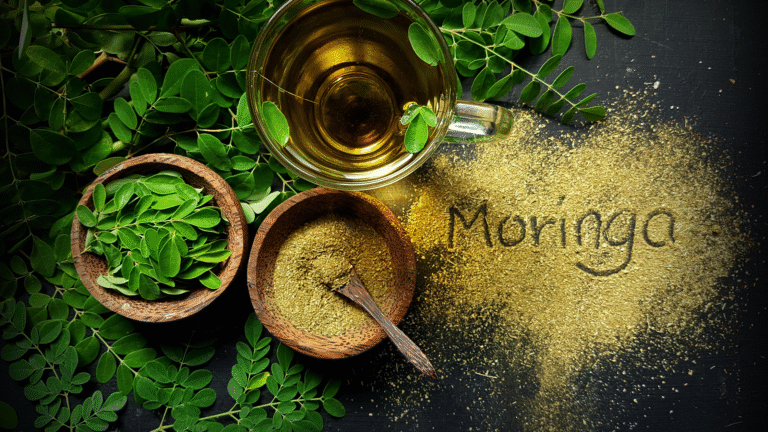
Moringa oleifera, often called the drumstick tree or miracle tree, is a fast-growing, drought-resistant plant native to South Asia. Every part of the tree—leaves, pods, seeds, flowers and roots—has been used traditionally for food and medicine. Modern interest focuses on moringa leaves, which are commonly dried and powdered for supplements and culinary use.
Quick overview
- Appearance: Small tree with feathery leaves and long, slender seed pods.
- Common forms: Fresh leaves, dried leaf powder, tea, capsules, seed oil, and whole seeds.
- Taste profile: Fresh leaves are slightly earthy and green; powder is more concentrated with a mildly bitter, vegetal flavor.
Nutrition snapshot
High in: Vitamin A precursors, vitamin C, vitamin K, calcium, iron, potassium, and plant protein.
Notable: Moringa contains a wide range of phytonutrients and antioxidants that contribute to its “superfood” reputation.
Who uses moringa
- Health-conscious cooks looking for nutrient-dense boosts.
- People in regions where moringa grows as a resilient food source.
- Supplement users seeking vitamins, minerals, or an antioxidant-rich tonic.
How it’s typically prepared
- Add powdered leaves to smoothies, soups, and sauces.
- Brew dried leaves into tea.
- Use fresh leaves like spinach in stir-fries and curries.
- Press seeds for moringa oil used in cooking and cosmetics.
Key takeaway
Moringa is a versatile, nutritionally dense plant with culinary and supplemental uses that make it a practical superfood for everyday diets.
Health Benefits of Moringa Backed by Research
Moringa has attracted scientific attention for a range of potential health effects. While research is ongoing and some human trials are small, the evidence supports several promising benefits.
Antioxidant support
Moringa leaves contain antioxidants such as quercetin, chlorogenic acid, and vitamin C which help neutralize free radicals and reduce oxidative stress.
Anti-inflammatory properties
Compounds in moringa have shown anti-inflammatory effects in lab and animal studies, which may help with chronic inflammation linked to metabolic and cardiovascular disease.
Blood sugar management
Some clinical and preclinical studies suggest moringa leaf powder can help lower fasting blood glucose and improve insulin response when used alongside standard lifestyle measures.
Cholesterol and heart health
Moringa has been shown in some trials to reduce total cholesterol and LDL cholesterol, potentially lowering cardiovascular risk when combined with healthy diet and activity.
Micronutrient density
Moringa is a concentrated source of vitamins and minerals that can help address deficiencies, especially vitamin A, iron, calcium, and some B vitamins in populations with limited dietary variety.
Digestive and gut support
Traditional use and emerging research indicate moringa may support digestion, partly due to fiber content and mild antimicrobial properties.
Safety and cautions
Typical doses: Common supplemental doses of moringa leaf powder range from 1 to 6 grams daily; traditional culinary use is lower.
Pregnancy caution: Avoid concentrated extracts of moringa root or bark during pregnancy due to uterine-stimulating compounds. Use leaf preparations cautiously and consult a healthcare provider.
Interaction note: Moringa can lower blood sugar and blood pressure; monitor levels if you take diabetes or blood pressure medications.
Practical advice
Use moringa as a nutrient boost within a balanced diet. Rely on whole-food forms (leaves or powder) for daily nutrition and seek medical advice before using therapeutic doses.
7 Easy Moringa Recipes for Everyday Use
Boost meals with moringa using these practical, tasty recipes. Use moringa leaf powder or fresh leaves depending on availability.
1. Morning Moringa Smoothie
Ingredients: 1 banana; 1 cup spinach; 1 tsp moringa powder; 1 cup milk or plant milk; 1 tbsp nut butter; ice.
Method: Blend until smooth. Add honey to sweeten if desired.
2. Moringa Yogurt Dip
Ingredients: 1 cup plain yogurt; 1 tsp moringa powder; 1 garlic clove minced; lemon juice; salt and pepper.
Method: Mix and chill. Serve with raw veggies or flatbread.
3. Moringa Stir-Fry
Ingredients: Fresh moringa leaves or 1 tbsp powder; mixed vegetables; garlic; soy or tamari; sesame oil.
Method: Stir-fry garlic and veggies, add leaves at the end until wilted or sprinkle powder into sauce.
4. Moringa Soup Booster
Method: Stir 1–2 tsp moringa powder into finished soups or broths for a nutrient lift. Do not boil moringa powder for long to preserve nutrients.
5. Moringa Energy Balls
Ingredients: Dates; oats; 1–2 tbsp nut butter; 1–2 tsp moringa powder; cocoa or coconut optional.
Method: Blend, roll into balls, refrigerate.
6. Moringa Tea
Method: Steep 1 tsp dried moringa leaves in hot water 5–7 minutes. Add lemon or ginger to taste.
7. Moringa Pesto
Ingredients: Fresh moringa leaves; basil; garlic; nuts; olive oil; lemon; parmesan optional.
Method: Blend into a pesto and toss with pasta or use as a spread.
Cooking tips
Start with small amounts of moringa powder (¼–1 tsp) and increase gradually to taste.
Add moringa near the end of cooking to protect heat-sensitive nutrients.
How to Choose and Store Quality Moringa
Choosing the right form and storing it properly preserves moringa’s benefits and flavor.
Choosing forms
Fresh leaves: Best for cooking; look for bright green, unblemished leaves.
Dried leaf powder: Most convenient; choose organic, finely milled powders with simple ingredient lists.
Capsules: Useful for consistent dosing but offer less culinary flexibility.
Seed oil: Good for topical use and cooking at low heat.
Quality signs
Color: Bright green powder indicates freshness; brownish hues suggest age or oxidation.
Smell: Fresh, green aroma; strong off-odors may indicate spoilage.
Source transparency: Prefer suppliers who list harvest and processing practices, testing for heavy metals, and provide organic or sustainably harvested options.
Storage
Keep powder in an airtight container away from heat, light, and moisture.
Use within 6–12 months for best potency; refrigerate for longer storage in humid climates.
Fresh leaves should be used quickly or blanched and frozen.
Frequently Asked Questions
Can children take moringa Small culinary amounts are generally safe for children; consult a pediatrician before regular supplementation.
Does moringa help with weight loss Moringa can support metabolic health as part of a balanced diet and activity plan but is not a standalone weight-loss solution.
How much moringa powder should I take daily For general nutrition, 1–2 teaspoons daily is common. Therapeutic doses should be guided by a healthcare professional.
Are there side effects Mild digestive upset can occur with high doses. Avoid root and bark extracts during pregnancy.
Final note
Incorporate moringa gradually into your diet, focusing on whole-food forms and culinary uses for sustainable benefits. Experiment with small amounts in smoothies, soups, and sauces to find how it complements your favorite recipes.
Growing, Sourcing, and Sustainable Use of Moringa
Moringa is simple to grow and can be a sustainable, year-round source of nutrition when managed carefully.
Growing basics
Climate: Prefers warm climates and tolerates drought. Thrives in tropical and subtropical zones.
Soil: Well-draining soils; tolerates poor soils better than many crops.
Propagation: Grows from seed or cuttings; seeds germinate easily within 1–2 weeks.
Care: Regular pruning encourages leaf production; minimal fertilizer needed.
Harvesting
Pick young leaves for the best flavor and nutrition.
Harvest pods before they mature for culinary use; seeds can be pressed for oil.
Sustainable sourcing
Choose suppliers who use fair labor practices and environmentally responsible harvesting.
Support smallholder farmers or cooperatives where possible.
Community and food security
Planting moringa in home gardens can improve household nutrition and resilience to food shortages.
Final practical tip
If you’re in a cooler region, grow moringa in large pots with good drainage and bring them indoors or to a sheltered space in cold months.