What Vitamin D Does for Your Gut
While most people associate vitamin D with strong bones, this nutrient also supports several key functions in the digestive system:
1. Enhances Calcium Absorption
Vitamin D helps the gut absorb calcium from food and supplements, which is essential for bone strength and overall mineral balance in the body.
2. Supports Gut Barrier Integrity
Vitamin D strengthens the gut lining, preventing harmful bacteria from leaking into the bloodstream. This helps reduce inflammation throughout the body.
3. Promotes Healthy Gut Bacteria
It encourages the growth of beneficial microbes while suppressing those that trigger inflammation, contributing to a balanced gut microbiome.
4. Regulates Immune Function
Since much of the immune system resides in the gut, vitamin D helps modulate immune responses and may reduce the risk of autoimmune conditions like inflammatory bowel disease (IBD).
How to Get Enough Vitamin D
Vitamin D is produced when your skin is exposed to strong sunlight, but many people fall short—especially in winter or if they avoid sun exposure. Here’s how to meet your daily needs:
Recommended intake: 15 micrograms (mcg) per day for anyone over age 1.
Food sources:
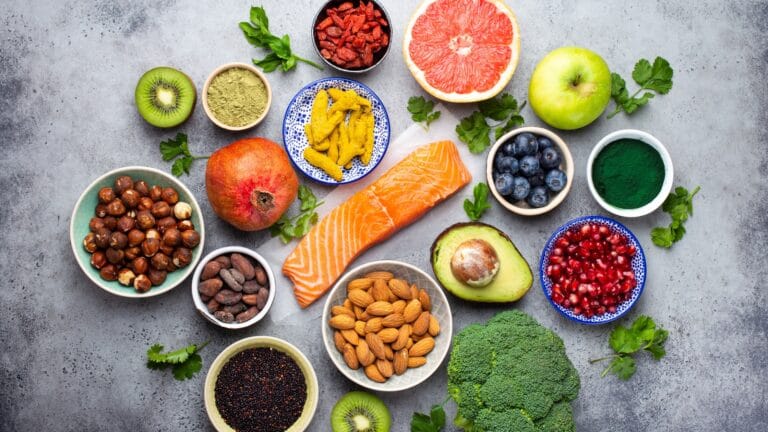
Cooked sockeye salmon (3 oz): 14 mcg
UV-exposed mushrooms (½ cup): 9 mcg
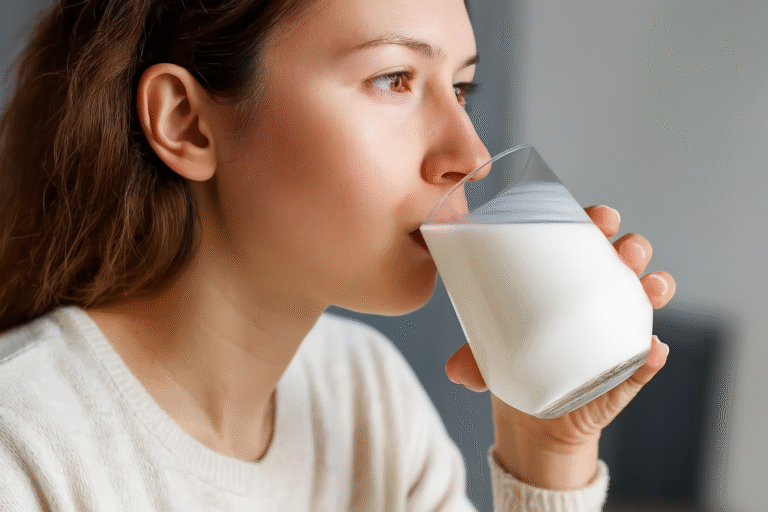
Fortified milk (1 cup): 3 mcg
Fortified plant milks (1 cup): 2.5–3 mcg
Fortified cereals (1 serving): 2 mcg
If diet and sunlight aren’t enough, supplements can help—but don’t overdo it. Experts recommend staying below 100 mcg per day to avoid imbalances.
Who’s at Risk for Deficiency?
People with darker skin
Those living in northern regions
Individuals who avoid sun or use strong sunscreen