



The Science of Nourishing
from Two Lands
Real nutrition, honestly explained. Explore the baobab, the moringa, and the ingredients behind every Belleer blend — grounded in research, not slogans.
A guide to the plants we build with
Belleer blends are food — not medicine. These guides share what each ingredient naturally contains and how it has traditionally been used, so you can bring it into your day with understanding rather than hype.
Baobab — the Tree of Life
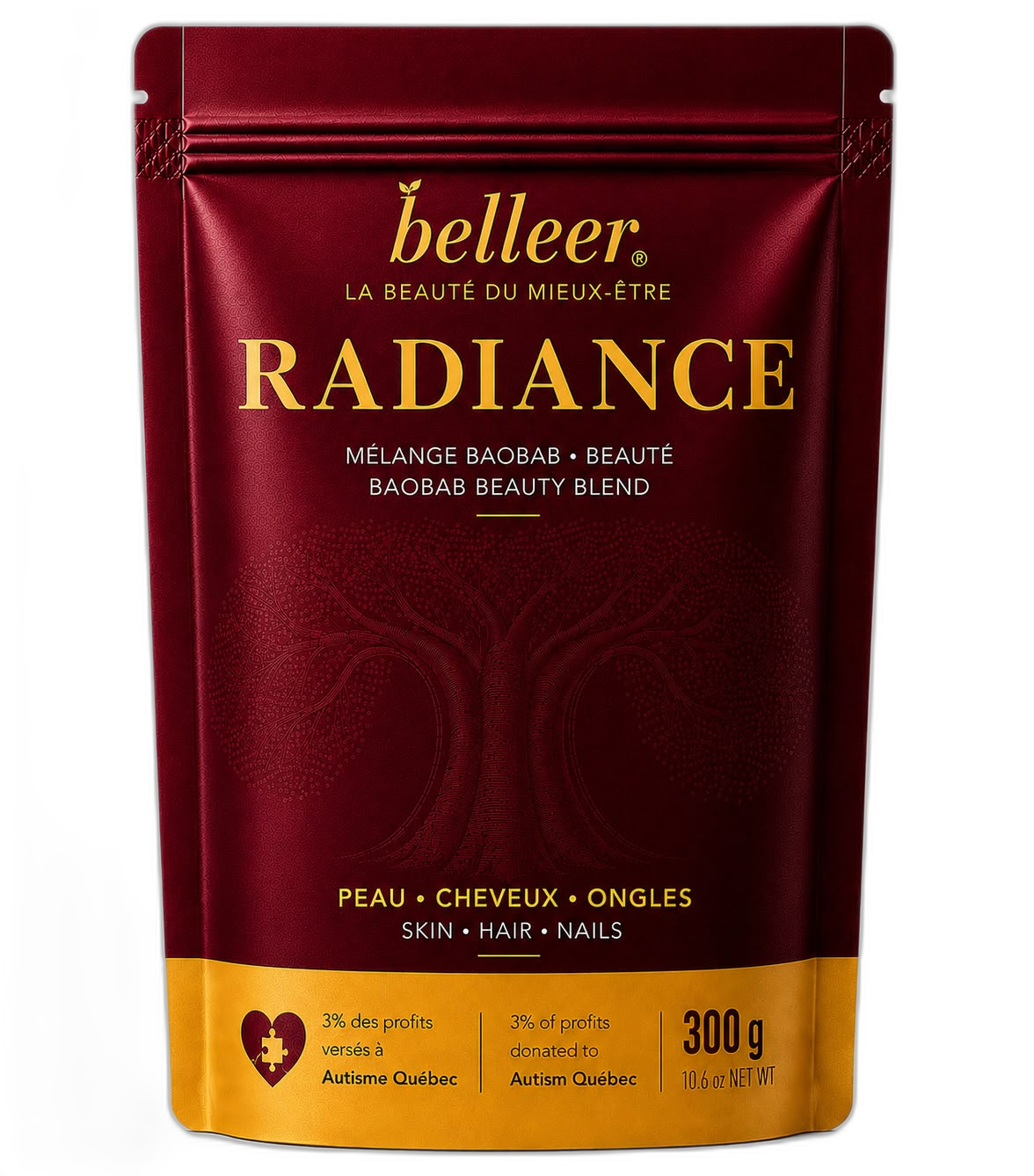
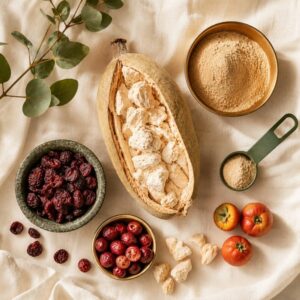
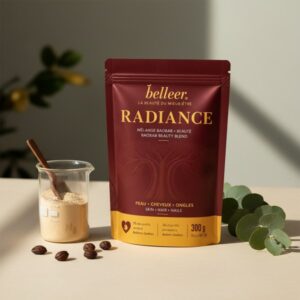
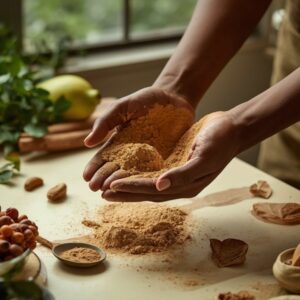
Africa's iconic baobab (Adansonia digitata) dries naturally on the branch. Its fruit pulp is milled into a raw powder that is unusually rich in vitamin C, fibre and antioxidants — the foundation of every Belleer blend.
What's inside, and why
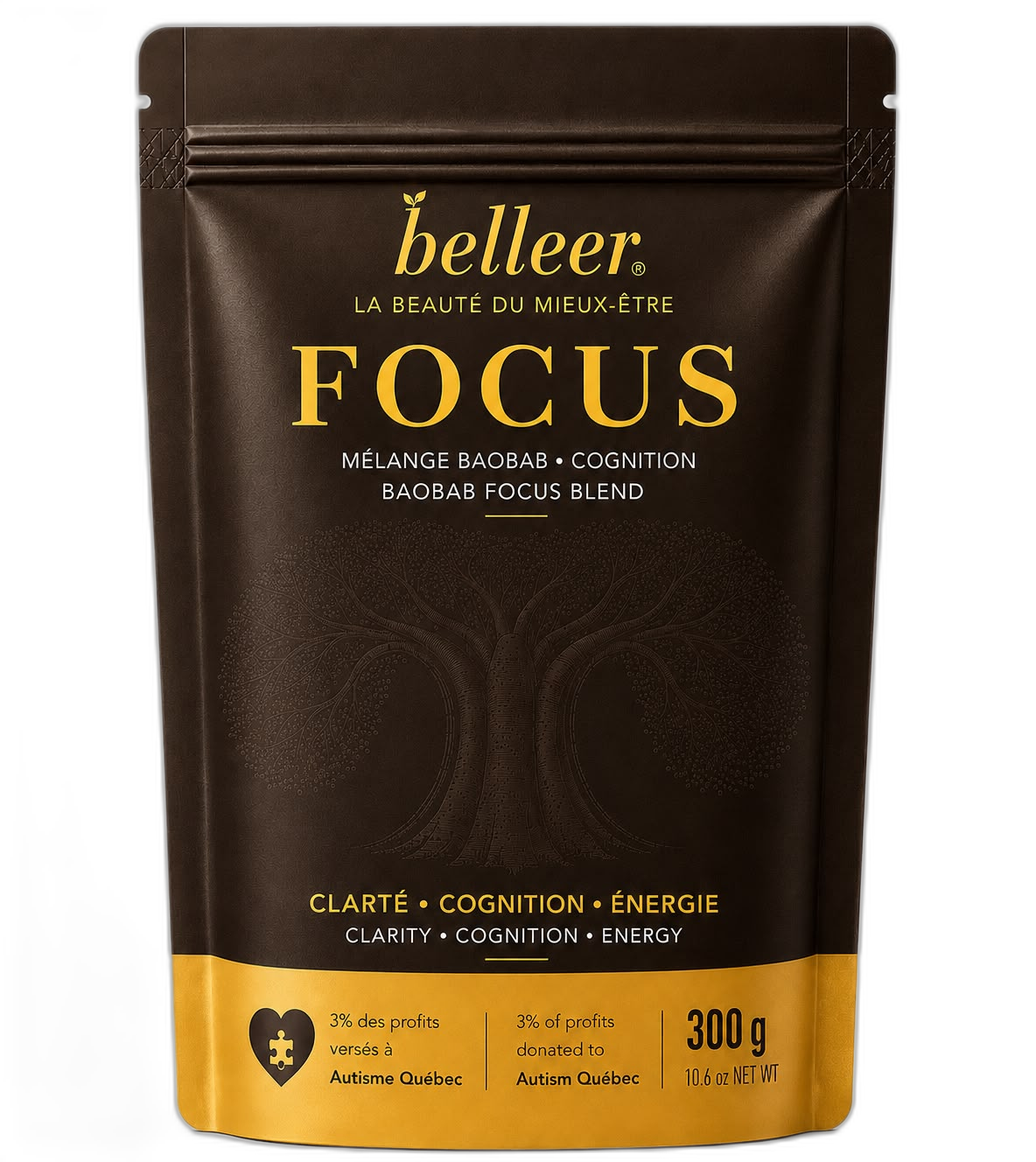
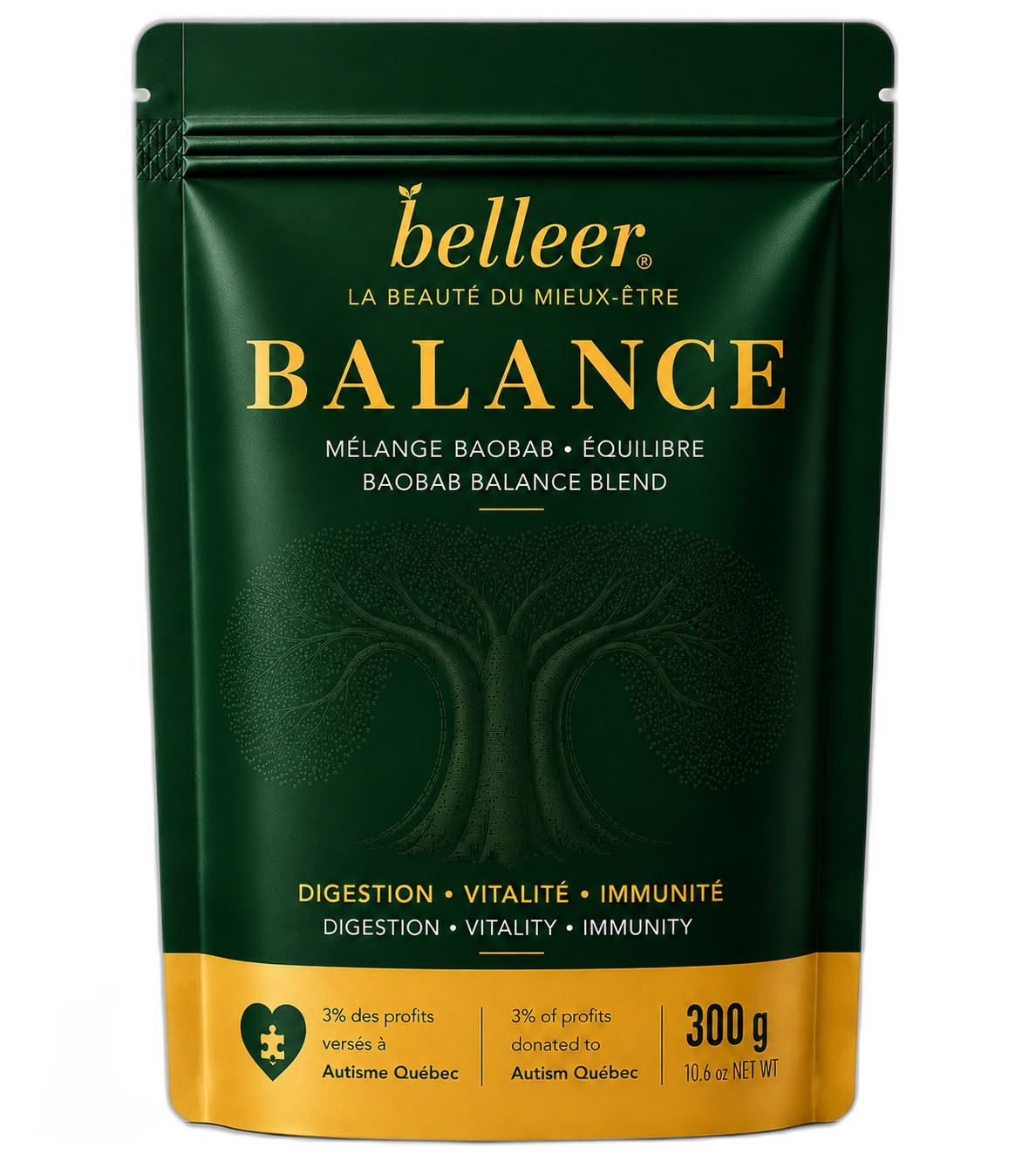
Each blend pairs baobab with plants chosen for what they naturally bring. Here's an honest look at the science behind the supporting cast.

Moringa
The moringa leaf is one of the most nutrient-dense greens studied, carrying all nine essential amino acids alongside iron and calcium — which is why it's long been used to address dietary gaps.

Acerola
A tiny tropical cherry with an outsized vitamin C load, acerola complements baobab's own vitamin C for a fuller, food-based source.

Cranberry
Quebec-grown cranberry brings proanthocyanidins — polyphenols studied for their role in everyday urinary and cellular wellness.

Turmeric
Turmeric's curcuminoids are among the most-researched plant compounds, valued in traditional diets across South Asia for centuries.

Lion's Mane
A culinary mushroom traditionally enjoyed across East Asia, lion's mane is studied for the compounds found in its fruiting body.

Acacia Fibre
A gentle, soluble prebiotic fibre that feeds beneficial gut bacteria — complementing baobab's own naturally prebiotic fibre.
One scoop, your way
Baobab's vitamin C is heat-sensitive, so it shines in cold and room-temperature foods. Here's a simple rhythm for the day.
Wake with water
Stir one scoop into a cold glass of water or juice. The tangy, citrus-like flavour is a bright, caffeine-free way to start — no need to sweeten.
Blend into breakfast
Fold into a smoothie, yogurt, or overnight oats. The soluble fibre helps you feel satisfied and pairs naturally with sweet fruit.
Steady the dip
A baobab drink is a gentle alternative to the afternoon coffee — the fibre slows how quickly natural sugars reach your bloodstream.
Start small, build up
Begin with a teaspoon and increase gradually to 1–2 tablespoons (5–10g) a day, letting your body adjust to the fibre.
Two lands, one bottle
Baobab dries naturally on the branch in West Africa, where it has nourished communities for thousands of years. We pair it with Québec-grown fruit and formulate at home in Canada — honouring both origins in every blend.
3% of profits supports Autisme Québec.
Honest answers to common questions
Real resources, real research
The figures on this page are drawn from published nutritional analyses and food-science literature. Explore the sources yourself.
Nutrient values are typical ranges for naturally dried powders and vary with plant variety, origin, harvest and processing. This guide is educational and describes the plants themselves, not health claims for any specific product.